

If you are a rideshare driver in San Francisco, or considering joining companies like Uber, Lyft, or a new rideshare company, understanding the complex landscape of insurance coverage is critical to protecting yourself and your livelihood. This blog is designed precisely for you. The drivers who depend on their cars every day, navigating insurance policies that often leave gaps, misunderstandings, and costly risks. Whether you’re still researching the best rideshare for drivers or actively working, this guide will help you grasp the often-confusing insurance challenges you face, how the law governs them, and what practical steps you can take to avoid financial disaster.
By the end, you will be able to:
- Identify common insurance problems for Uber, Lyft, and other rideshare Lyft drivers
- Understand key federal and California laws affecting your coverage
- Learn from a detailed, authentic U.S. case illustrating real risks and outcomes
- Explore actionable tips to safeguard yourself effectively
Let’s dive in and make sure you’re no longer in the dark about your most important protection on the road: insurance.
The Complex Insurance Landscape for Rideshare Drivers
Unlike traditional drivers, rideshare drivers operate under a patchwork of insurance rules that shift depending on whether they are offline, waiting for a ride request, or actively carrying passengers. This creates confusion and often inadequate coverage:
California law requires companies like Uber and Lyft to provide some level of coverage, but gaps remain, especially during the “waiting” period before pickup or if personal insurance policies deny claims due to commercial use.
Legal Framework & Key Laws Affecting Rideshare Insurance in California
- California Public Utilities Commission (CPUC) Regulations: Require minimum insurance and policies for all rideshare companies operating in California, including liability and uninsured motorist coverage.
- AB 5 and Proposition 22: These laws influence whether drivers are classified as independent contractors or employees, impacting who is responsible for insurance and benefits.
- Federal Insurance Laws: Though not directly dictating rideshare insurance, regulations from bodies like the Department of Transportation indirectly affect policy standards.
- Personal Insurance Policy Rules: Most require disclosure of rideshare activity and may exclude claims without prior notification.
California courts increasingly scrutinize companies’ compliance with these laws as claims involving injury and property damage escalate.
Real-Life Case Study: Sanchez v. Uber Technologies, Inc.
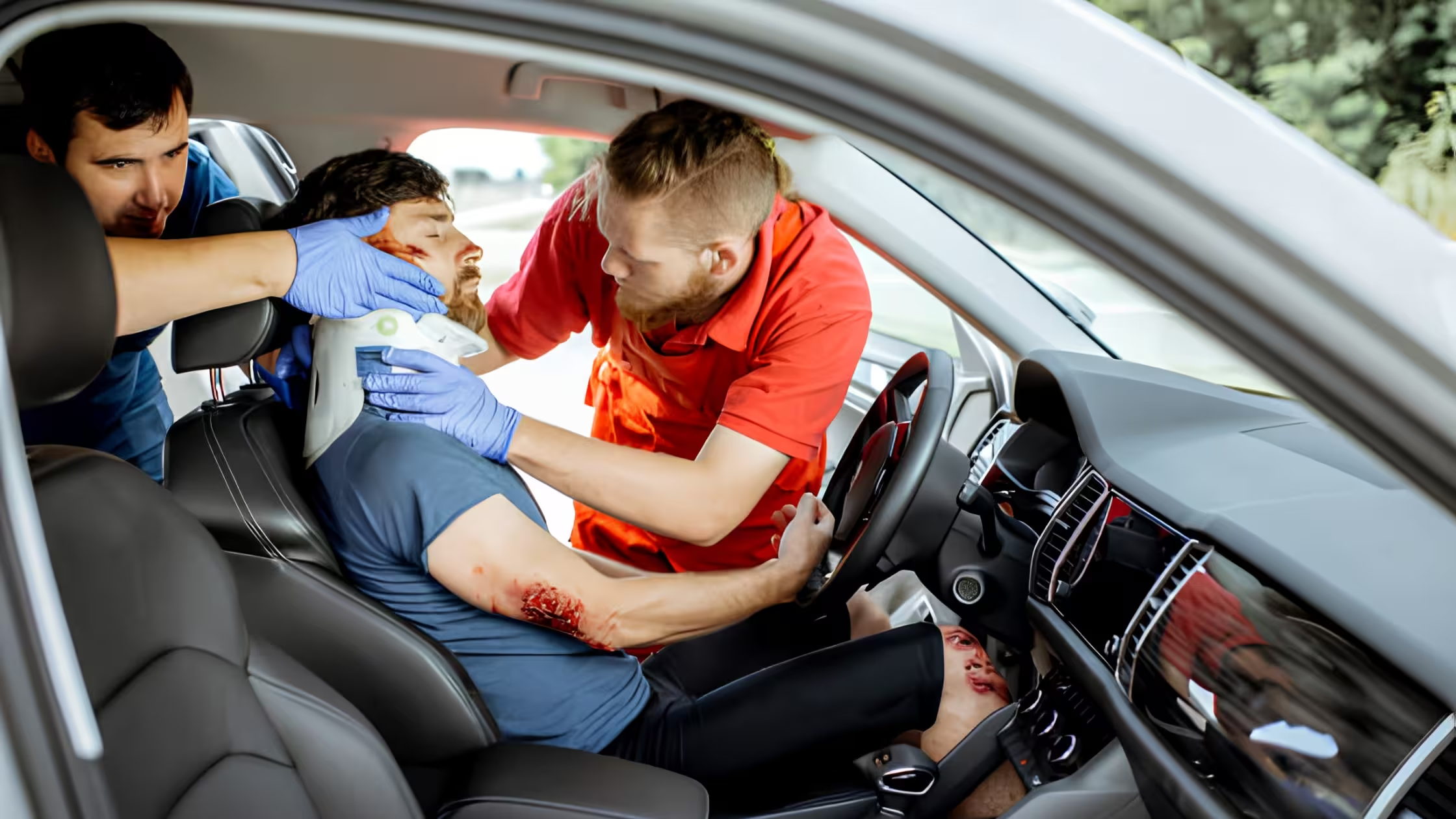
In a 2023 San Francisco case, Mr. Sanchez, a part-time Uber driver, was involved in a severe collision while waiting for a trip request. His personal insurance denied coverage citing “commercial use.” Meanwhile, Uber’s insurance policies initially denied responsibility for the waiting period. After a prolonged legal battle, the court ruled that Uber’s policies must cover drivers during the waiting period, reaffirming California’s CPUC regulations.
The case settled for $2.9 million reflecting medical costs, lost wages, and pain and suffering. This landmark decision has set a precedent for protecting rideshare drivers stuck in insurance limbo.
Although LADVA Law did not represent Mr. Sanchez, we regularly assist rideshare Lyft and Uber drivers facing similar insurance and injury challenges across California, striving to protect their rights and maximize compensation.
Common Insurance Challenges Faced by Rideshare Drivers
- Gaps Between Personal and Commercial Coverage
Many drivers are surprised when their personal insurer refuses claims for rideshare-related accidents, causing a coverage gap during critical “available” or “waiting” periods on the road. - Denial of Claims During Periods of Liability Transition
Confusion over whether personal or company insurance applies often results in denied claims or prolonged disputes, delaying benefits. - Underinsured Motorist Risks
Despite company insurance, rideshare drivers may face accidents caused by uninsured or underinsured drivers a gap sometimes undercovered by standard policies. - Rising Premiums and Coverage Costs
Commercial rideshare policies can be prohibitively expensive, tempting drivers to rely solely on their personal auto insurance, which carries significant risks.
Tips to Protect Yourself from Insurance Headaches as a Rideshare Driver
- Always disclose your rideshare activity to your personal insurer and confirm commercial coverage options.
- Review vehicle insurance limits from Uber, Lyft, or your new rideshare company carefully and ask for proof.
- Consider additional commercial rideshare endorsements or standalone policies tailored for drivers.
- Keep detailed logs of your drive status (available, en route, off duty) to clarify coverage periods.
- Consult with accident claims lawyers familiar with rideshare regulations in San Francisco immediately after any incident.
How LADVA Law Advocates for Rideshare Drivers in California
Navigating rideshare insurance claims is complicated, especially when companies attempt to shift responsibility or delay payments. LADVA Law, based in San Francisco, champions the rights of rideshare drivers injured on the job or caught in insurance disputes. Our team understands the local and state regulations deeply and fights aggressively for compensation, whether due to company negligence, insurance denials, or third-party fault.
If you’re a rideshare driver in California, battling insurance denials or facing injury, we are here to help. While we did not represent the Sanchez case, we provide similar dedicated representation to drivers facing rideshare Lyft and Uber insurance challenges throughout California.
Final Thoughts
Your livelihood depends on every mile you drive and your safety on every trip. Don’t let insurance confusion leave you vulnerable after an accident. LADVA Law stands with rideshare drivers like you, fighting to secure the compensation and respect you deserve. Contact us for a free consultation and let’s protect your future on the road together.