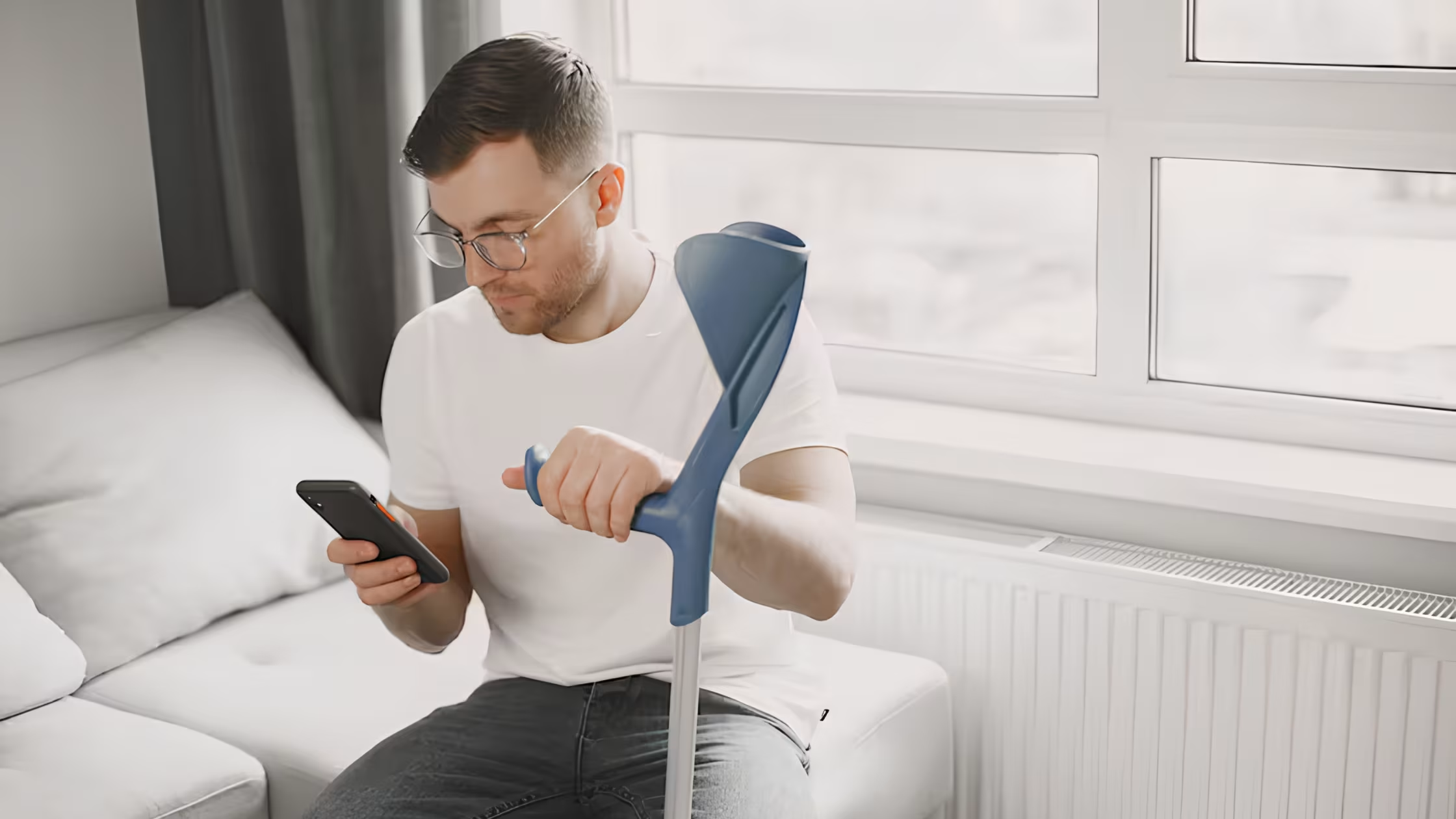


With remote work becoming the new norm, many California employees wonder: Are they protected by workers comp for remote employees? Does workers compensation for remote workers cover injuries that happen at home? Understanding your rights is crucial because while remote work offers convenience, it also introduces uncertainty about workplace protections, especially if you suffer a work-related injury.
This blog breaks down California laws, real-life examples, and the legal landscape around workers comp remote workers claims. Whether you work from home occasionally or are fully remote, you deserve clear answers, and expert guidance. As a San Francisco based employee disputes attorney, I bring professional insights to help you navigate these uncharted waters with confidence.
Preparing Your Home Workspace to Prevent Workers’ Comp Claims
Prevention is better than cure, not only does this safeguard your health, but it also eases legal uncertainties around remote work injuries. Setting up an ergonomically sound home office, using proper equipment, maintaining clear boundaries between work and non-work areas, and following safety protocols can reduce injury risks.
Employers should actively support these measures, offering training and resources, which aligns with their duty under California regulations to maintain a safe workplace, regardless of location.
By proactively creating a safe home workspace, remote workers can guard against costly and painful injuries and employers can reduce claims litigation. Moreover, clear documentation of your work environment becomes essential should you need to claim workers compensation for remote workers later.
The Legal Framework: Is Workers’ Comp Available for Remote Workers?
California’s workers’ compensation system is designed to protect employees injured “in the course and scope of their employment.” Under the state’s Labor Code, this coverage can extend beyond the traditional workplace to include injuries occurring while working remotely, including at home.
The key legal question is whether the injury is “work-related” meaning it must be connected to your job duties and happen during authorized work hours. For example, if you trip over wires while setting up your home office or suffer repetitive strain injury from typing, these may qualify. However, injuries unrelated to work, such as slips unrelated to working duties or accidents during personal errands at home, usually aren’t covered.
California courts have upheld claims of workers compensation remote workers where there was a clear causative link between the work and injury, reinforcing that remote locations don’t absolve employers or insurers of responsibility.
Important Laws and Regulations Impacting Remote Workers’ Comp in California
- California Labor Code 3208.3 — Covers compensability of injuries occurring on the employer’s premises or as part of the employment.
- California Code of Regulations (Title 8, 9786) — Clarifies workplaces include remote sites if work is authorized and supervised.
- Multiple court rulings affirm compensability when the injury is directly linked to work activities, even in home environments.
Real California Case Study: Remote Work Injury Recognized
In 2024, a landmark case in Los Angeles County involved a remote employee hurt while moving heavy boxes for a company-ordered home office setup. The insurance carrier initially denied the claim, arguing the home was a non-covered location. After legal challenge, the court ruled in favor of the employee, recognizing the injury as part of the work environment. This case, though not handled by Ladva Law, parallels many situations we assist clients with helping them secure rightful compensation despite jurisdictional challenges.
Workers’ Compensation Trends Among California Remote Workers (2025)
The rising prevalence of remote work in California is reshaping the workers’ compensation landscape. Recent data from the California Department of Industrial Relations reveals that approximately 14% of residents now work exclusively from home, with an additional 21% working remotely part-time constituting over one-third of the state’s workforce. As the boundaries between home and work blur, so do the challenges in accurately tracking and processing workers comp for remote employees claims.
While the absolute number of reported remote workplace injuries remains comparatively low due to less physical labor, the nature of injuries is evolving, now including repetitive strain injuries from prolonged computer use and ergonomic-related claims. Additionally, remote work's flexibility has inspired legislative attention, prompting updates in reporting requirements and insurance protocols to better encompass evolving workplace realities.
Understanding these trends can inform your legal strategy if you face workplace injury remotely, ensuring you receive the protections you deserve.
What Injuries Are Typically Covered Under Workers’ Comp for Working from Home?
Employers and insurers may request detailed evidence tying the injury to work tasks. This is where expert legal counsel can build a robust case, ensuring your claim isn’t wrongly dismissed.
How to Protect Your Rights: Tips for Remote Workers
- Keep Clear Records: Maintain logs of work hours, task descriptions, and communications crucial for proving timing and scope of work.
- Report Injuries Immediately: Notify your employer and file a claim promptly to comply with California’s strict reporting rules.
- Document the Incident: Take photos, gather witness accounts if applicable, and preserve medical records.
- Consult an Experienced Attorney: Remote injury claims often require specialized knowledge due to unique legal complexities.
What to Expect When Filing a Claim for Workers Comp for Employees Working From Home
Insurance companies may scrutinize workers comp for working from home claims more intensely, suspecting non-work-related causes. A strong, evidence-backed claim supported by medical reports and legal advocacy significantly improves approval chances.
Professional Insight: Navigating the Emerging Field of Remote Workers’ Comp
As a California employee disputes attorney, I witness increasing remote injury claims and evolving jurisprudence in this area. Remote work amplifies opportunities but also legal complexities. Strategic legal approach and experienced representation are indispensable. When employers or insurers deny legitimate claims based on location or nebulous arguments, your rights must be defended with tenacity.
Why Choose Ladva Law?
Ladva Law, a trusted San Francisco firm with 25+ years of experience, fights aggressively to ensure our remote-working clients receive fair compensation under California’s workers’ comp laws. While we did not handle the aforementioned precedent-setting case, we have secured numerous victories for remote workers facing claim denials or employer resistance statewide.
From claim filing, appeals, to litigation our team offers compassionate, personalized, and tenacious advocacy. Your home office injury deserves the same rigorous legal defense as any traditional workplace injury.
Final Thought
If you’re a remote worker injured on the job, don’t let confusion about your rights delay your recovery or compensation.
Contact Ladva Law for a free consultation. We are here to fight for employees across California, making sure workers comp remote workers are seen, heard, and compensated.
Your safety inspite of distance is our commitment. Let us stand with you whether you’re in the office or at home.
“Remote work shouldn’t mean remote protection in California, your workers’ comp rights cover wherever your work takes you.”