

A bicycle ride can change in seconds when a vehicle door suddenly swings into a cyclist’s path. If you have been hurt, understanding your rights can be the difference between accepting an inadequate insurance offer and pursuing fair compensation. This guide is written for California cyclists, injured victims, families, and professionals in the personal-injury and transportation industries. It explains whether a cyclist hit by car door can sue, how liability works, what damages may be available, key California laws, relevant litigation, the role of federal law, deadlines, and what evidence can strengthen a claim. Most importantly, it explains how an experienced Northern California trial lawyer can help protect your case.
What Is a Dooring Accident?
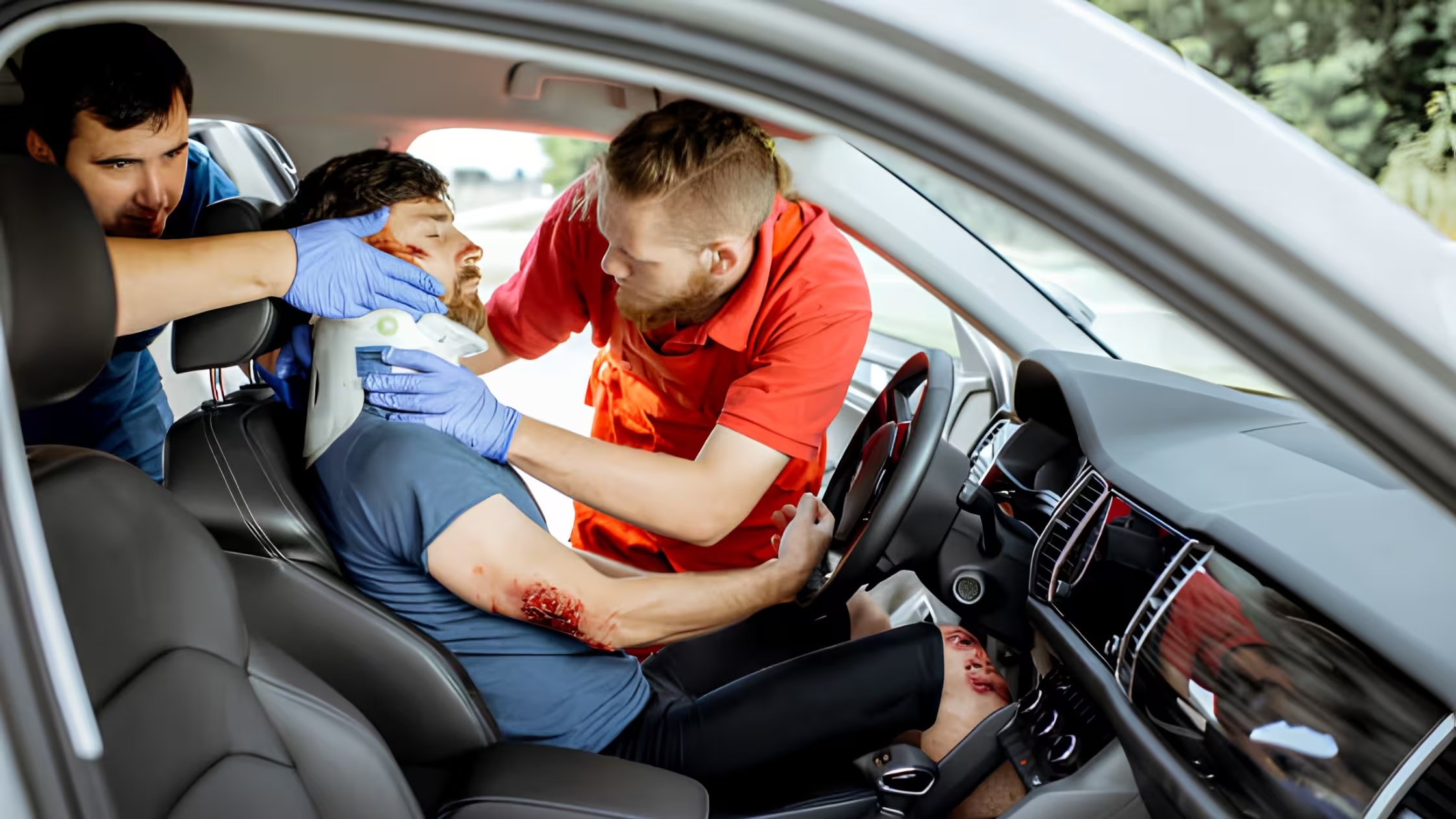
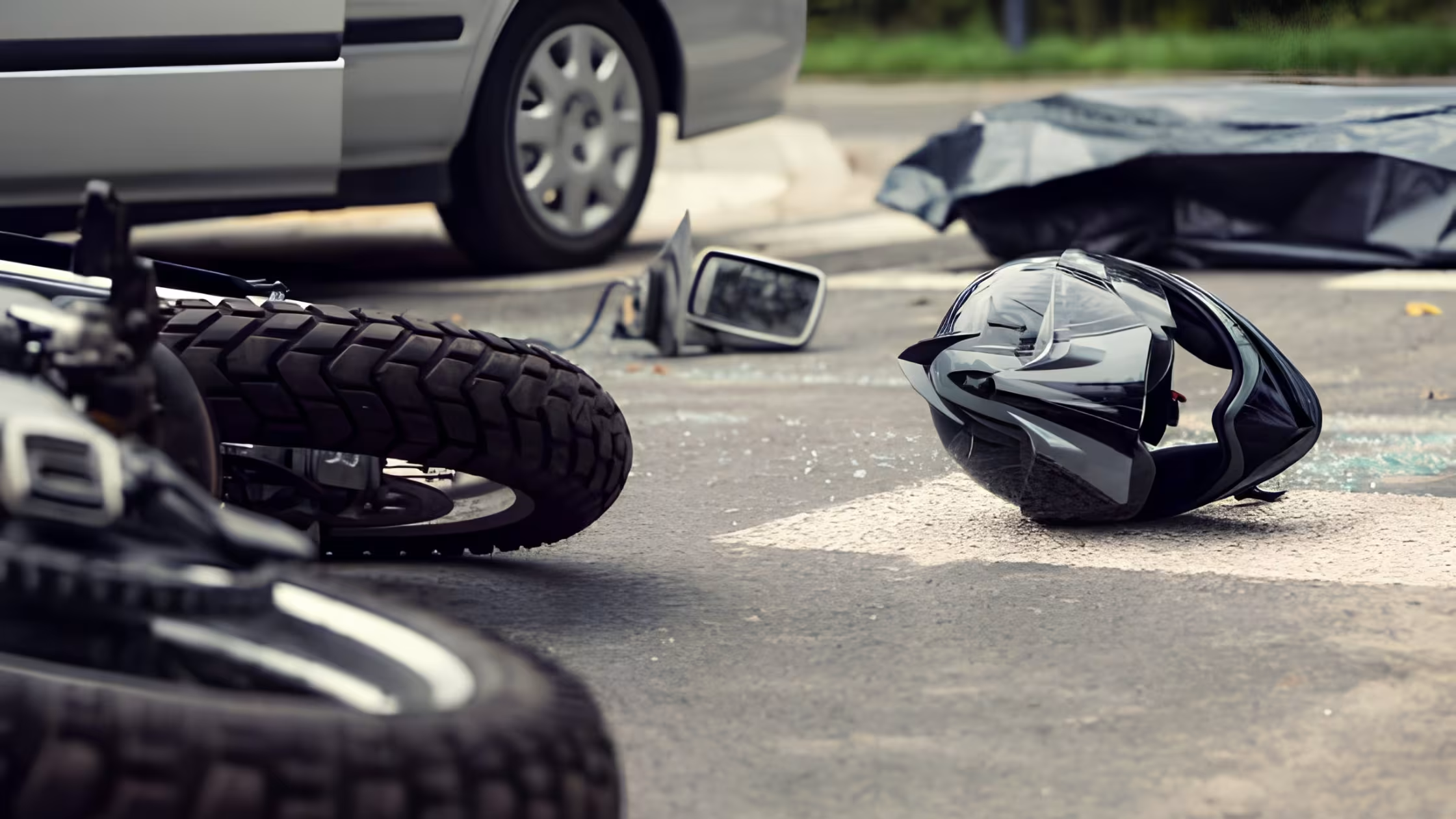
A dooring accident occurs when a driver or passenger opens a vehicle door into the path of a cyclist. The rider may have virtually no time to stop, causing a collision with the door or a secondary impact with pavement or another vehicle.
California specifically addresses this danger. Vehicle Code §22517 prohibits opening a vehicle door on the side available to moving traffic unless doing so is reasonably safe and does not interfere with traffic. The law also prohibits leaving the door open longer than necessary for loading or unloading.
In practical terms, if a driver opened car door into cyclist traffic without first checking whether the lane was clear, that conduct can become important evidence in a negligence claim.
Who Is Liable?
The answer depends on the facts. Potentially responsible parties can include:
California Civil Code §1714 establishes the general duty to use ordinary care and makes a person responsible for injuries caused by a lack of ordinary care.
That means who is liable in a bicycle dooring accident is not always answered simply by identifying who physically opened the door. Attorneys may need to investigate the driver, passenger, vehicle operator, employer, insurance coverage, and circumstances surrounding the stop.
California Law, Federal Law, and Important Legal Points
The central statute is California Vehicle Code 22517 dooring. A violation can provide powerful evidence when establishing that a person failed to act reasonably.
California also follows pure comparative negligence. Under Li v. Yellow Cab Co., a plaintiff’s own negligence does not automatically eliminate recovery; damages are reduced according to the plaintiff’s percentage of fault.
This matters because insurers may argue that a cyclist was traveling too close to parked vehicles, moving too quickly, or otherwise contributed to the collision. The evidence not simply the insurance company’s position determines how fault should be allocated.
There is no general federal statute that specifically governs ordinary bicycle dooring on California streets. These claims are primarily controlled by California traffic and tort law. Federal motor-carrier regulations may become relevant in cases involving commercial vehicles, but they do not replace California’s core negligence rules.
For an injury claim against a private party, California Code of Civil Procedure §335.1 generally provides a two-year limitations period for an action involving personal injury caused by wrongful conduct. Claims involving a public entity can involve substantially shorter administrative deadlines; California Government Code §911.2 generally requires an injury claim against a public entity to be presented within six months.
Real-World Example: The Waymo Dooring Lawsuit
Dooring litigation is not merely theoretical. In 2025, a San Francisco cyclist filed a lawsuit involving a Waymo vehicle after alleging that a passenger opened a vehicle door into her bicycle lane. The complaint alleged negligence and asserted violations including Vehicle Code §§22517 and Vehicle Code §§ 21211.
The case demonstrates why modern dooring investigations can extend beyond the individual who opened the door. Vehicle positioning, passenger-discharge practices, technology, warnings, surveillance footage, witnesses, and corporate policies can all become relevant.
What Compensation Can a Cyclist Recover?
A cyclist injured by opening car door may potentially pursue damages for:
- Emergency and ongoing medical treatment
- Rehabilitation and future medical expenses
- Lost wages and diminished earning capacity
- Bicycle and personal-property damage
- Physical pain and emotional distress
- Permanent disability or disfigurement
- Other losses legally supported by the evidence
California Civil Code §3333 provides that compensatory damages may cover detriment proximately caused by a wrongful act.
This is why car door bicycle accident compensation should not be measured solely by medical bills. The full impact of the injury on work, mobility, independence, and quality of life may matter.
What Should You Do After a Dooring Crash?
If you are able, prioritize safety and medical attention. Then:
- Photograph the vehicle, door position, bicycle, road, bike lane, and surrounding area.
- Obtain the driver’s and witnesses’ information.
- Request or preserve available surveillance and traffic-camera footage.
- Keep medical records, bills, wage documentation, and bicycle-repair records.
- Avoid giving a recorded statement to an insurer before understanding your legal position.
- Speak with a personal-injury attorney promptly.
A Professional Perspective from Ladva Law
At Ladva Law, we understand that a bicycle collision is not simply a damaged bike it can mean surgery, missed work, financial stress, and fear about getting back on the road. With more than 27 years of experience, our practice serves clients throughout Northern California and approaches personal-injury cases with a trial lawyer’s mindset. We actually take cases into the courtroom and present them before juries when litigation requires it, rather than treating trial as an empty threat.
For readers researching automobile-related injuries, our automobile accident practice page provides additional information about how our firm investigates crashes, handles insurance disputes, and pursues compensation.
Don’t Let One Sudden Door Change the Rest of Your Life
You were riding a bicycle not expecting to leave the road injured, facing medical bills, lost income, and uncertainty. If another person’s carelessness caused your crash, you deserve to understand your options before an insurer decides what your injury is worth.
Ladva Law represents injured people across Northern California and prepares cases for the courtroom when necessary. If you or someone you love has suffered a dooring injury, contact Ladva Law for a free consultation. You do not have to face the insurance company or the aftermath alone.
FAQ
Q Can I sue if a car door hits my bicycle?
A: Yes. A CVC 22517 dooring accident can support a negligence claim when the evidence establishes that the door was opened unsafely and caused your injuries.
Q What if the passenger, not the driver, opened the door?
A: California’s door-opening rule applies to a “person,” so liability may depend on who opened the door and the surrounding circumstances.
Q How much is a bicycle dooring case worth?
A: There is no fixed amount. Car door bicycle accident compensation depends on injury severity, medical costs, lost income, future losses, property damage, comparative fault, and available insurance.
Q Do cyclists have to prove the driver was negligent?
A: Usually, a personal-injury claim requires evidence establishing duty, breach, causation, and damages. A statutory violation can be important evidence, but every case must be evaluated individually.
Q What if the accident involved a city vehicle?
A: Special rules may apply. A government claim can have a much shorter deadline than an ordinary personal-injury lawsuit, making prompt legal advice particularly important.
Disclaimer:
The information provided on this website is for general informational purposes only and does not constitute legal advice. Case studies and past results described on this website are for illustrative purposes only and do not guarantee similar outcomes in future matters. Each legal case is unique and depends on its specific facts and circumstances. Some details in case studies may be modified to protect client privacy.