
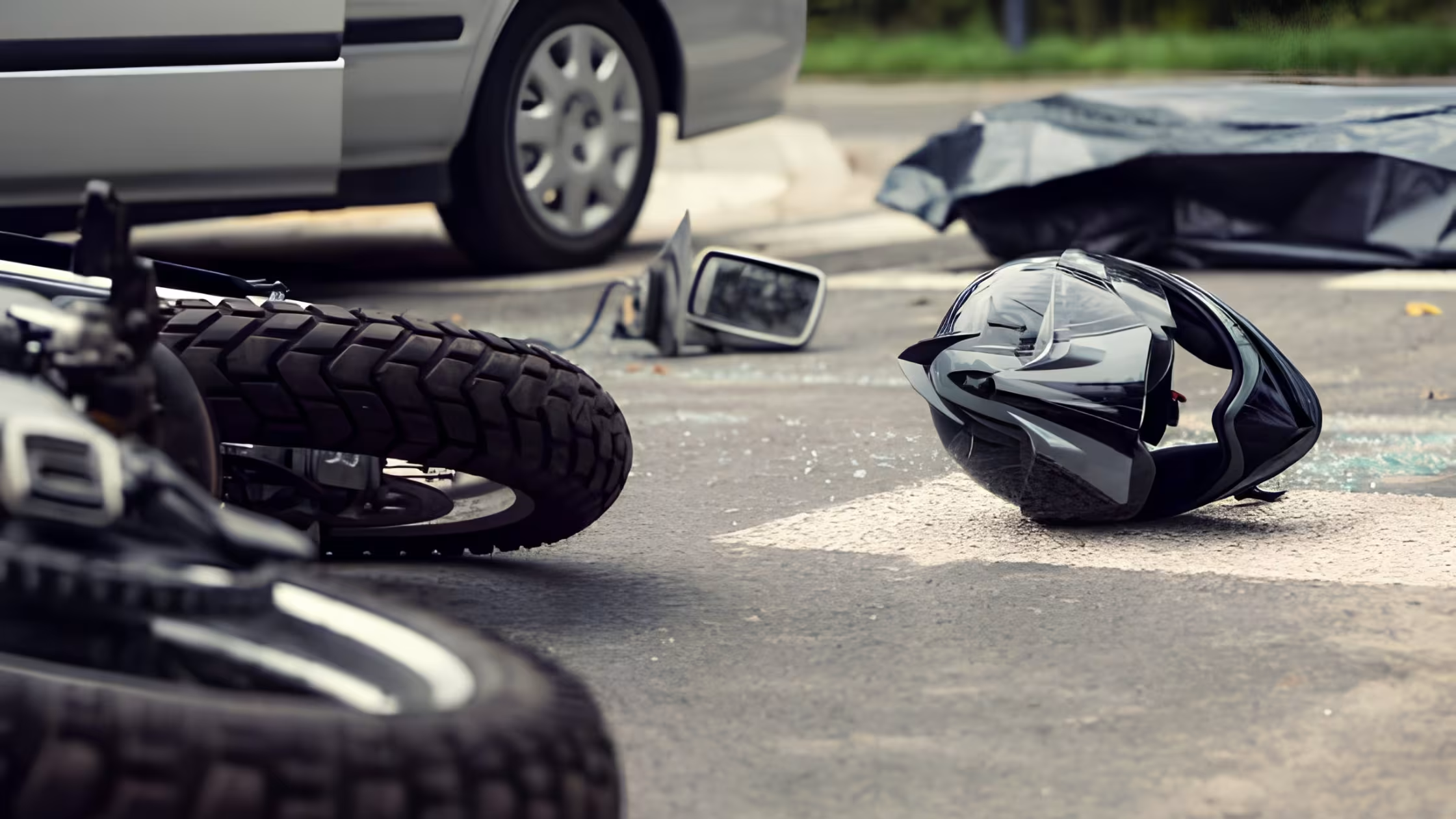
Lane splitting is legal in California, but legal does not mean risk-free. When a motorcycle travels between rows of stopped or moving vehicles, a sudden lane change, opened door, distracted driver, or unsafe maneuver can cause devastating injuries. If you have been involved in a motorcycle accident while lane splitting, understanding California's lane-splitting rules, comparative fault laws, insurance issues, and potential compensation can make an important difference. This guide explains is lane splitting legal in California, who may be responsible after a crash, what evidence can strengthen an injury claim, and when a lane splitting accident lawyer California riders trust may be worth consulting.
What Is Lane Splitting?
California Vehicle Code §21658.1 defines lane splitting as riding a two-wheeled motorcycle between rows of stopped or moving vehicles traveling in the same lane. The statute applies on both divided and undivided roads and highways.
California Highway Patrol (CHP) also confirms that lane splitting by motorcyclists is legal in California. At the same time, CHP warns that the practice can be dangerous and that the risk of serious injury increases as the motorcycle's speed and speed difference from surrounding traffic increase.
This distinction is critical: Lane splitting itself is not automatically negligent simply because a collision occurred. The circumstances of the maneuver matter.
Is Lane Splitting Legal in California?
Yes. is lane splitting legal in California has a straightforward answer: yes, California law recognizes and permits lane splitting.
California Vehicle Code §21658.1 was enacted effective January 1, 2017. It defines the practice and authorizes CHP to develop educational guidelines concerning its safe operation.
However, riders should not confuse the existence of a statute with a guarantee that every lane-splitting maneuver is lawful or reasonable.
CHP's current safety guidance recommends considering factors such as:
- Traffic speed
- Speed differential
- Lane width
- Size of surrounding vehicles
- Road conditions
- Weather
- Lighting
- Visibility
- The motorcycle's position relative to other vehicles
CHP specifically advises riders to avoid lane splitting alongside large vehicles such as buses, motorhomes, and big rigs and warns that riding on the shoulder is not lane splitting.
California Motorcycle Lane-Splitting Law: What Riders Should Know
The California motorcycle lane splitting law does not establish a simple statutory speed formula such as “lane splitting is legal only below X mph.”
Instead, Vehicle Code §21658.1 defines the conduct and gives CHP authority to develop educational guidelines. CHP's published safety guidance emphasizes that higher speeds and greater speed differentials increase danger. That means riders should be cautious about relying on outdated internet claims that present particular speed numbers as absolute statutory limits.
There is another important rule: lane splitting is not the same thing as riding on the shoulder CHP expressly states that shoulder riding is illegal and is not considered lane splitting.
What Causes Lane-Splitting Motorcycle Accidents?
A motorcycle lane splitting accident can happen in many ways because the rider is operating in a narrow space between vehicles.
Common scenarios include:
The investigation should therefore look beyond the fact that the motorcycle was lane splitting.
Who Is at Fault in a Lane-Splitting Accident?
Determining motorcycle accident lane splitting fault requires examining the conduct of everyone involved. Suppose a motorcyclist is lane splitting at a reasonable speed when a driver suddenly moves into the motorcycle's path without checking the adjacent area. The driver's conduct could be highly significant. Now consider a different situation: the motorcycle is traveling at an excessive speed relative to surrounding traffic, leaving little opportunity to react when a vehicle moves over. The rider's conduct could become part of the fault analysis.
California follows a pure comparative negligence system. In Li v. Yellow Cab Co., the California Supreme Court replaced the former all-or-nothing contributory negligence rule with a system in which damages are reduced according to the injured person's percentage of fault.
So even if a rider is found partially responsible, that does not necessarily mean the rider receives nothing.
Example
Suppose a jury determines:
- Total damages: $500,000
- Other driver's fault: 70%
- Motorcyclist's fault: 30%
Under California's comparative negligence framework, the rider's recovery could be reduced by the rider's percentage of responsibility, subject to the facts and applicable law. That makes evidence particularly important.
What Evidence Can Help Prove Fault?
After a crash, evidence can disappear quickly. Traffic patterns change, vehicles are repaired, witnesses leave, and surveillance footage may eventually be overwritten.
Important evidence may include:
- Motorcycle and vehicle damage photographs
- Helmet and protective gear
- Dashcam footage
- Traffic or surveillance video
- Police reports
- Witness contact information
- Accident-scene photographs
- Skid marks and roadway evidence
- Vehicle damage patterns
- Cellphone records where legally obtainable and relevant
- Expert accident reconstruction
- Medical records documenting injuries
Ladva Law's motorcycle accident practice describes investigating police reports, accident scenes, witness testimony, and working with medical and accident-reconstruction experts when appropriate. For additional information about investigating and pursuing motorcycle injury claims, see Ladva Law's guide to motorcycle accident claims in California.
What Compensation Can a Motorcycle Accident Victim Recover?
A serious motorcycle collision can affect nearly every part of a person's life.
Depending on the circumstances, recoverable damages may include:
Economic damages
- Emergency medical treatment
- Hospitalization
- Surgery
- Rehabilitation
- Prescription medication
- Future medical care
- Lost wages
- Reduced earning capacity
- Motorcycle repair or replacement
- Damaged riding equipment
- Necessary support services
California Civil Code §1431.2 specifically identifies medical expenses, lost earnings, and costs of substitute domestic services among examples of economic damages.
Non-economic damages can include pain, suffering, inconvenience, mental suffering, emotional distress, and loss of enjoyment of life. For serious injuries, the financial impact may continue for years.
What If the Rider Was Not Wearing a Helmet?
California generally requires motorcycle drivers and passengers to wear compliant safety helmets under Vehicle Code §27803.
But helmet use and accident liability are separate questions. If a rider suffers a head injury, disputes may arise about whether helmet use affected the severity of the injury. The specific facts and medical evidence matter. For more information, read Ladva Law's article on defective helmets and traumatic brain injury claims.
What Should You Do After a Lane-Splitting Crash?
Your actions immediately after the collision can help preserve your claim.
- Get medical attention: Motorcycle injuries can be serious even when symptoms initially seem manageable.
- Document the scene: If medically and physically possible, photograph the vehicles, roadway, traffic conditions, motorcycle damage, and surrounding area.
- Identify witnesses: Independent witnesses may provide valuable evidence about how the collision occurred.
- Preserve your motorcycle and gear: Do not repair or discard potentially relevant evidence before it has been properly documented.
- Be careful with insurance statements: Provide necessary information, but avoid guessing about speed, fault, or the cause of your injuries.
- Speak with an attorney before accepting a settlement: An early settlement may not account for future medical treatment, lost earning capacity, or the full extent of your injuries.
California generally provides a two-year limitations period for an action seeking damages for personal injury caused by another's wrongful act or neglect under Code of Civil Procedure §335.1, although exceptions and different deadlines can apply.
How a Motorcycle Accident Lawyer Can Help
A lane splitting accident lawyer California riders choose should understand more than general personal injury law.
Lane-splitting cases can require a detailed analysis of:
- Vehicle positions
- Traffic flow
- Visibility
- Speed and speed differential
- Lane changes
- Driver behavior
- Roadway conditions
- Witness accounts
- Video evidence
- Medical causation
- Comparative fault
A lawyer may also work with accident reconstruction or medical experts when the evidence warrants it. For a deeper look at the legal process, explore How a San Francisco Motorcycle Accident Attorney Can Help.
Why Experience Matters When Fault Is Disputed
Motorcyclists can face a unique challenge after a crash: the assumption that the rider must have been reckless simply because a motorcycle was involved. But liability should be determined from evidence not stereotypes.
At Ladva Law, motorcycle accident cases are investigated with attention to the circumstances that actually caused the collision. The firm's motorcycle accident practice emphasizes evidence gathering, expert analysis, insurance negotiations, and trial-ready preparation. With more than 27 years of experience, Ladva Law represents injured people throughout Northern California. The firm is also built around a genuine trial-lawyer approach: cases are prepared with the understanding that presenting the evidence to a jury may ultimately be necessary.
The Bottom Line: Legal Does Not Mean Liability Is Automatic
California's law recognizes lane splitting. But after a crash, the real question is not simply “Was the motorcycle lane splitting?”
The better questions are:
- Who made the unsafe move?
- What did each driver do immediately before the collision?
- What does the physical and digital evidence show?
- How did each person's conduct contribute to the injuries?
A motorcycle accident can leave a rider facing substantial medical expenses, lost income, painful rehabilitation, and uncertainty about the future. You deserve an investigation that looks at the complete picture, not one that begins and ends with the fact that you were lane splitting. Explore Ladva Law's Motorcycle Accidents practice page.
After a motorcycle crash, you should not have to fight an insurance company while trying to rebuild your life. With more than 27 years of experience and a genuine trial-lawyer approach, Ladva Law is prepared to fight for injured riders throughout Northern California. If you or someone you love was injured in a California motorcycle crash, Ladva Law can help you understand your legal options, contact the firm for a free confidential consultation today.
FAQ
Q Is lane splitting legal in California?
Yes. California Vehicle Code §21658.1 defines lane splitting and recognizes the practice. CHP confirms that lane splitting is legal but warns riders to exercise extreme caution.
Q Is lane splitting always safe because it is legal?
No. Legality does not eliminate the risk of collision or potential comparative fault. CHP warns that increased motorcycle speed and speed differential increase the danger.
Q Who is responsible for a motorcycle accident while lane splitting?
Fault depends on the specific facts. A driver who changes lanes without adequate care may be responsible, while a rider's speed or other conduct may also be considered. California uses comparative negligence principles.
Q Can a motorcyclist recover compensation if they were partially at fault?
Potentially, yes. Under California's pure comparative negligence system, a plaintiff's damages may be reduced according to the plaintiff's percentage of fault.
Q What should I do after a motorcycle lane-splitting crash?
Seek medical care, document the scene, identify witnesses, preserve the motorcycle and protective gear, and consider obtaining legal advice before making statements about fault or accepting an insurance settlement.
Q How long do I have to file a motorcycle accident lawsuit in California?
California Code of Civil Procedure §335.1 generally provides two years for personal injury actions arising from another person's wrongful act or neglect, but specific exceptions can change the deadline.
Q Can a lane-splitting accident involve more than one responsible party?
Yes. A collision may involve multiple negligent parties, such as another driver, a commercial vehicle operator, or potentially an entity responsible for a dangerous roadway condition. The applicable facts and evidence determine liability.
Disclaimer:
The information provided on this website is for general informational purposes only and does not constitute legal advice. Each legal case is unique and depends on its specific facts and circumstances. Some details in case studies may be modified to protect client privacy. Motorcycle accident liability, comparative fault, available damages, and filing deadlines depend on the specific facts of each case. Consult a qualified California personal injury attorney about your circumstances.