
Every day, hundreds of thousands of people depend on Muni, BART, and Caltrain to commute safely across the San Francisco Bay Area. While public transit remains one of the safest modes of transportation, accidents do happen and when they do, passengers are often left wondering who is responsible for medical bills, lost wages, and the long-term consequences of their injuries. Understanding your legal rights before an accident occurs can make all the difference afterward. Whether you're searching for a muni accident lawyer or trying to understand when a bart accident lawyer may be necessary, this guide is designed to help Bay Area commuters, visitors, and families make informed decisions after a public transportation injury. Throughout this article, you'll learn how transit accidents happen, what California law says about passenger rights, who may be liable, what evidence strengthens a claim, and how experienced legal representation can protect your interests from day one.
Why Public Transportation Injuries Deserve More Attention
Public transportation agencies such as the San Francisco Municipal Transportation Agency (SFMTA), Bay Area Rapid Transit (BART), and Caltrain collectively transport well over one million passenger trips on many weekdays. Their operations involve buses, light rail vehicles, subway trains, heavy rail systems, pedestrians, cyclists, motorists, maintenance crews, and complex infrastructure. Although these systems maintain extensive safety programs, the sheer scale of operations means accidents remain an unfortunate reality.
Unlike a typical automobile collision, an accident involving a public transit agency often introduces unique legal challenges:
These distinctions are exactly why injured passengers should understand the legal framework before accepting any settlement or providing recorded statements.
Common Injuries Reported on Muni, BART, and Caltrain
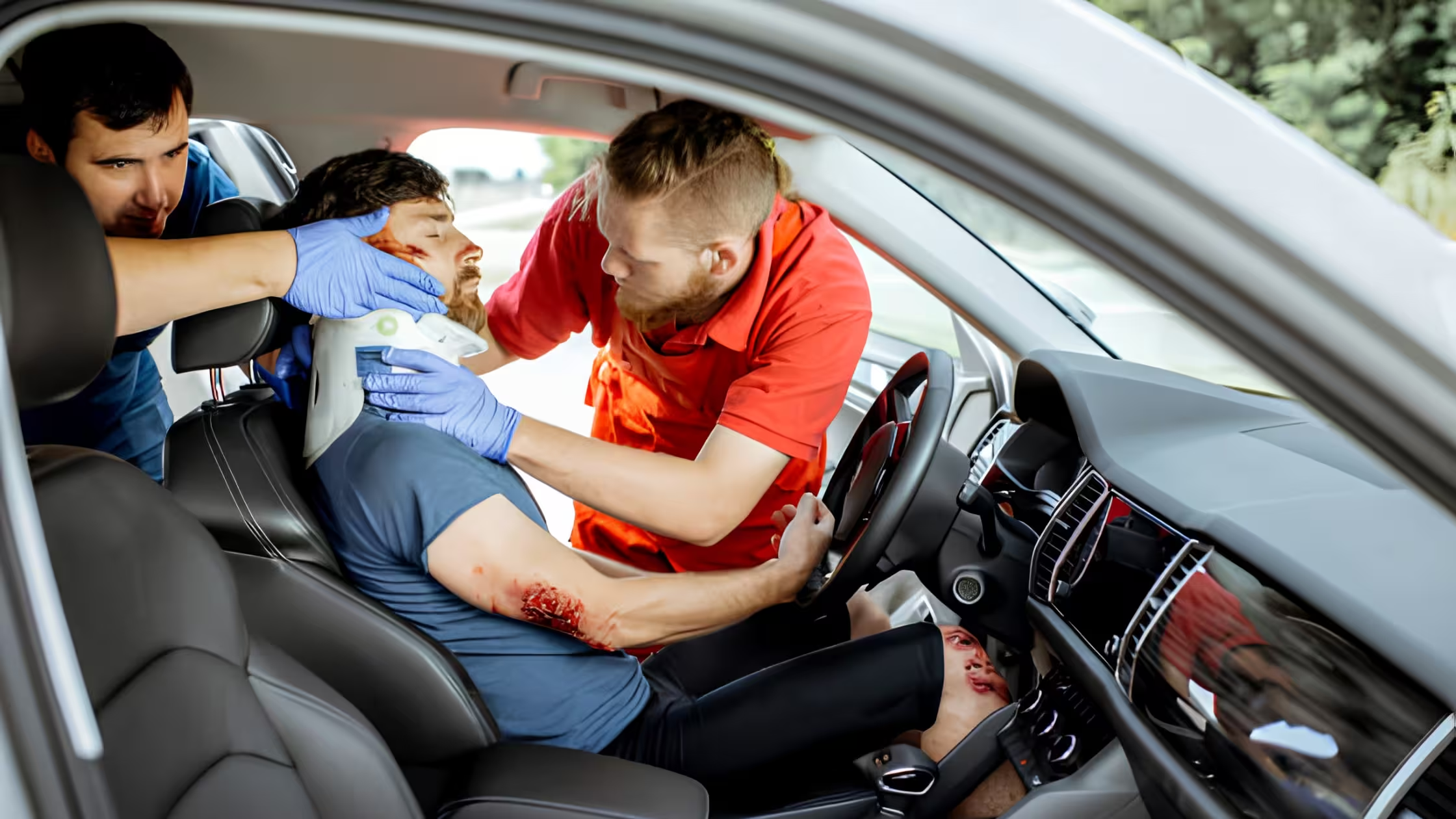
Transit-related injuries range from relatively minor bruises to catastrophic trauma requiring lifelong care. The severity frequently depends on vehicle speed, passenger positioning, maintenance conditions, and whether safety protocols were followed.
Slip-and-Fall Incidents
Passengers may slip because of:
- Wet station platforms
- Poor lighting
- Uneven flooring
- Broken escalators
- Debris left in boarding areas
California property owners including public entities generally owe lawful visitors a duty to maintain reasonably safe premises. Whether that duty was breached depends on the specific facts surrounding the incident.
Sudden Stops and Operator Error
One of the most common injury scenarios involves passengers who are standing when a bus or train suddenly brakes.
These incidents can lead to:
- Head injuries
- Shoulder injuries
- Wrist fractures
- Hip fractures
- Concussions
- Spinal injuries
While not every sudden stop creates legal liability, investigators often examine whether the operator acted reasonably under the circumstances or whether preventable negligence contributed to the event.
Boarding and Exit Accidents
Many serious injuries occur not during travel—but while boarding or exiting.
Examples include:
- Bus doors closing on passengers
- Wheelchair ramp malfunctions
- Gap-related falls between platform and train
- Moving vehicles before passengers are seated
- Elevator failures within stations
These cases frequently require reviewing surveillance footage, maintenance logs, operator training records, and witness testimony.
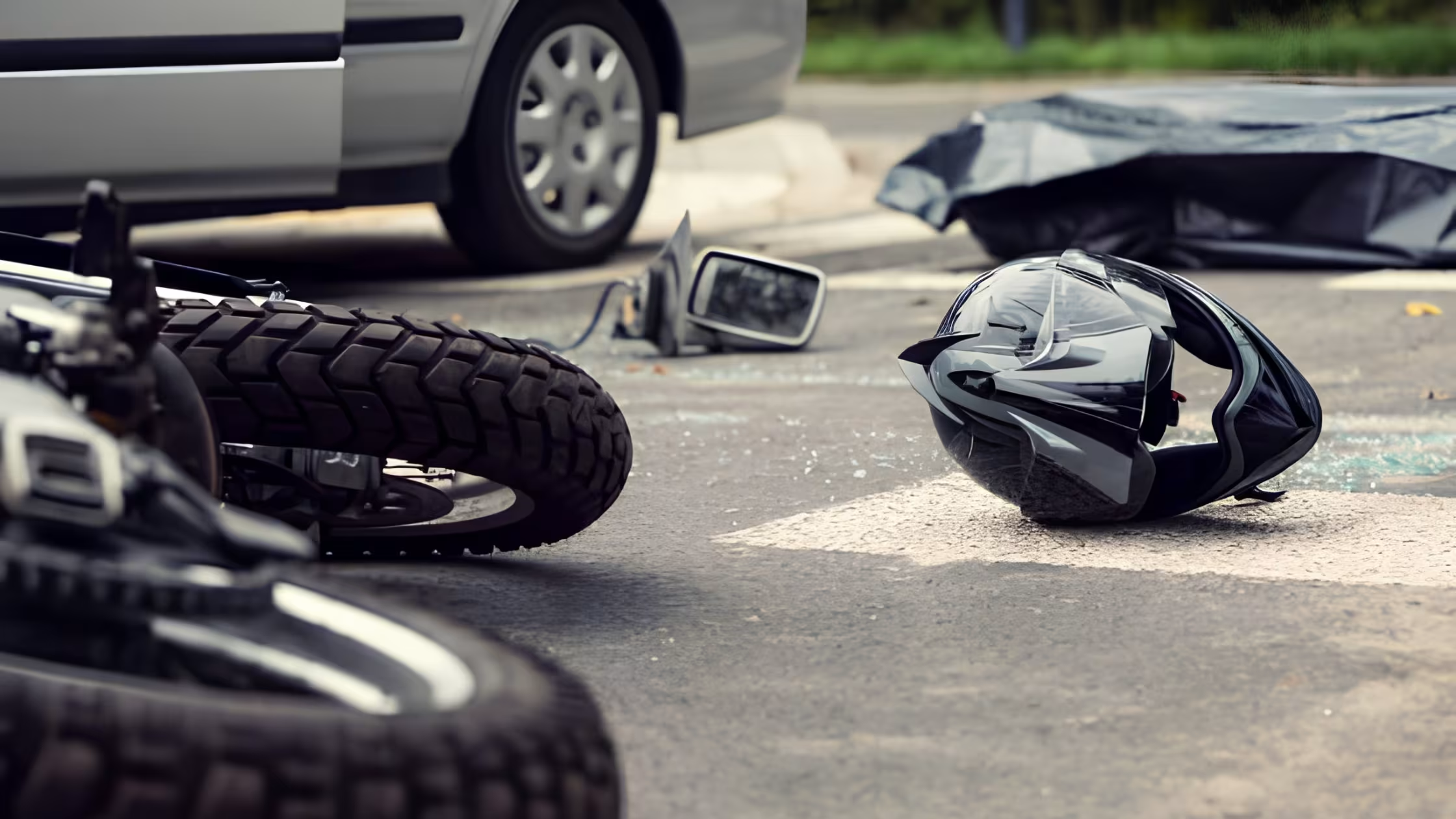
Collisions With Other Vehicles
Transit vehicles occasionally collide with:
- Passenger vehicles
- Commercial trucks
- Cyclists
- Motorcyclists
- Pedestrians
When this occurs, liability may extend well beyond the transit agency itself. Depending on the evidence, responsibility may involve another negligent driver, a vehicle manufacturer, a maintenance contractor, or multiple parties whose actions collectively caused the collision.
Who Can Be Held Liable?
One of the biggest misconceptions is that the transit agency is always responsible. In reality, liability depends on the facts of each case.
Potentially responsible parties may include:
Determining liability often requires reviewing surveillance footage, maintenance records, operator logs, inspection reports, onboard data, and eyewitness accounts.
California Law Protects Injured Transit Passengers
California law generally recognizes that common carriers including buses and rail systems transporting passengers for compensationowe passengers a heightened duty of care. Courts have long recognized that public carriers must exercise the utmost care and diligence for passenger safety consistent with the practical operation of their services.
However, bringing a claim against a public entity differs significantly from filing a claim against a private individual.
Many transit-related cases involve the California Government Claims Act, which establishes procedural requirements before filing a lawsuit against a public entity. Missing these deadlines can significantly affect an injured person's legal rights.
Additionally, depending on the facts, other legal principles may arise, including:
- California negligence law
- Premises liability
- Product liability
- Wrongful death statutes
- Comparative negligence
- Federal transportation safety regulations applicable to rail operations
Because every accident presents unique legal and factual issues, early investigation is often critical to preserving evidence before it is lost.
Real-World Example: The Importance of Early Evidence
Imagine a commuter riding a Muni bus through downtown San Francisco. The operator suddenly brakes to avoid another vehicle, causing several standing passengers to fall. One passenger suffers a fractured wrist, while another sustains a traumatic brain injury after striking a handrail.
Within hours, onboard surveillance footage, operator reports, dispatch communications, and witness statements begin to shape what actually happened.
If those records are not preserved promptly, valuable evidence may disappear through routine retention policies. This is one reason experienced attorneys often move quickly to request preservation of surveillance footage and operational records following serious transit incidents.
The same principle applies to BART station surveillance, Caltrain platform recordings, maintenance inspections, and electronic vehicle data that may help reconstruct how an accident occurred.
Did You Know?
Many public transportation systems maintain onboard video systems, event recorders, maintenance logs, dispatch communications, and operator schedules. Preserving this evidence early can significantly strengthen an injury claim if litigation later becomes necessary.
Government Claims Against Public Transit Agencies: Why Timing Matters
One of the most significant differences between a collision involving a private vehicle and an accident involving Muni, BART, or Caltrain is the legal procedure that follows. While every case depends on its specific facts, many claims against California public entities are subject to the California Government Claims Act before a lawsuit may proceed.
This process generally requires an injured person to present a written claim to the appropriate public entity within specific statutory deadlines. If the required procedures are not followed, it may affect the ability to pursue compensation later in court. Because different agencies and circumstances can create different legal issues, injured passengers should seek legal guidance as early as possible after an accident.
What Should You Do After a Public Transportation Injury?
The actions taken during the first hours and days after an accident can significantly influence a future claim.
What Compensation May Be Available?
Every injury claim is unique, and no attorney can ethically promise a particular result. However, depending on the evidence and applicable law, an injured passenger may be entitled to pursue compensation for:
- Emergency medical treatment
- Hospitalization
- Surgery
- Physical therapy
- Prescription medications
- Future medical care
- Lost wages
- Reduced earning capacity
- Pain and suffering (where permitted by law)
- Emotional distress
- Permanent disability
- Loss of enjoyment of life
The amount of recoverable damages depends on the severity of the injuries, liability, available evidence, and other case-specific factors.
Federal Safety Standards Also Play a Role
Although personal injury claims are generally governed by California law, federal regulations often influence how rail systems operate and investigate accidents.
For example:
- The Federal Railroad Administration (FRA) establishes safety regulations for many passenger rail operations, including track safety, equipment standards, and employee qualifications.
- The Federal Transit Administration (FTA) oversees public transit safety programs and works with state agencies to improve rail and bus system safety.
- The Americans with Disabilities Act (ADA) requires many public transportation providers to provide accessible transportation and reasonable accommodations for passengers with disabilities.
When an accident involves accessibility failures, equipment defects, or operational safety issues, these regulations may become relevant during the investigation.
Lessons from Bay Area Transit Incidents
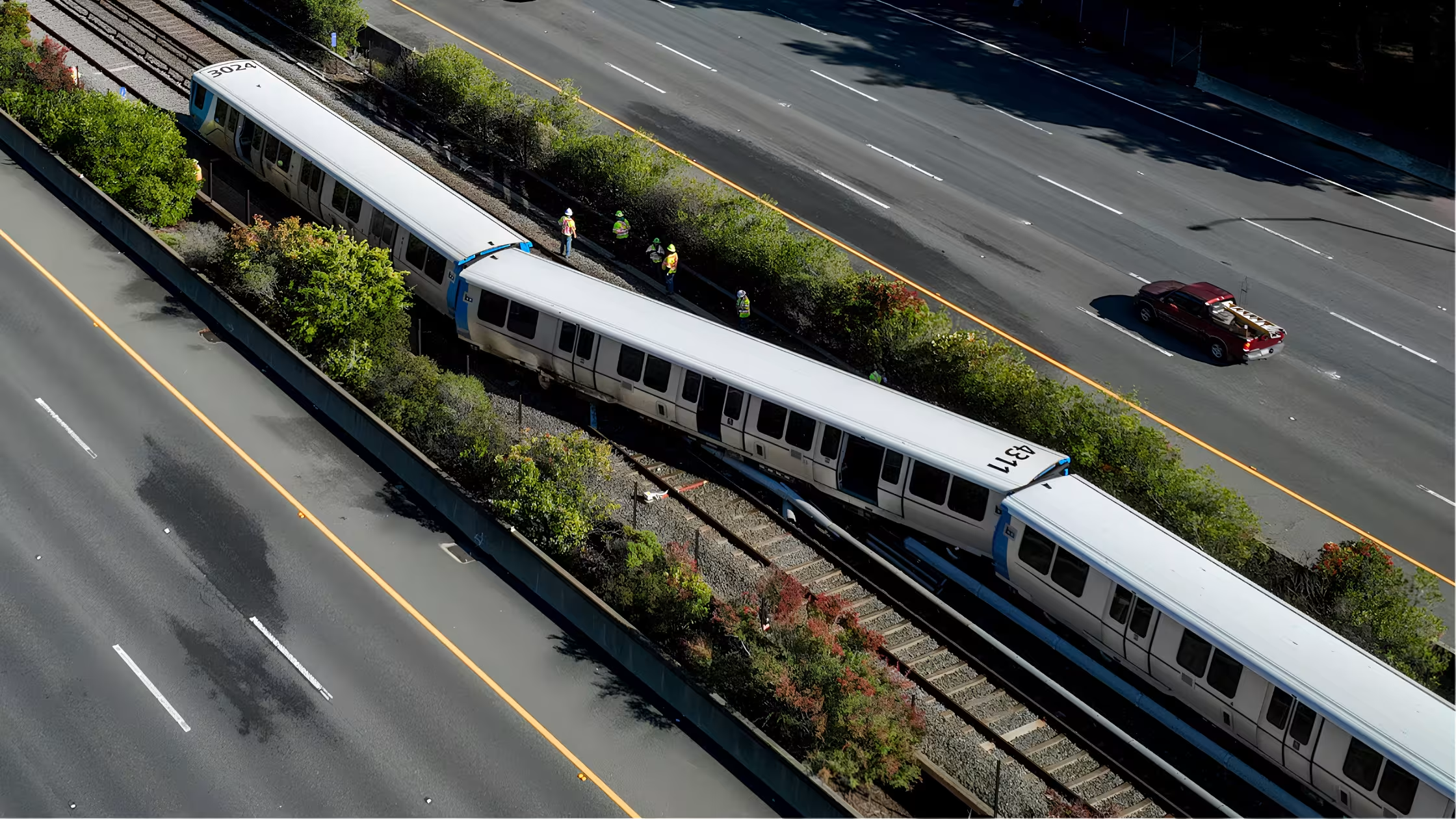
Transit systems have experienced incidents that underscore the importance of rigorous maintenance, operator training, and safety oversight. Investigations by agencies such as the National Transportation Safety Board (NTSB), the California Public Utilities Commission (CPUC), and local transit authorities have resulted in recommendations aimed at reducing future risks.
While every accident differs, common themes identified during investigations include:
- Infrastructure maintenance
- Operator training
- Hazard identification
- Communication systems
- Passenger safety procedures
- Emergency response planning
These investigations often provide valuable information that may later become relevant in civil litigation.
How Ladva Law Can Help
If you've been injured while riding Muni, BART, or Caltrain, understanding your legal options is only the first step. Navigating claims involving public transportation agencies can be more complex than a typical motor vehicle accident because multiple parties, government procedures, and strict deadlines may all come into play.
Ladva Law represents individuals and families throughout San Francisco and Northern California in personal injury matters, including public transportation accidents. Our team works to investigate the circumstances surrounding each case, preserve critical evidence, evaluate liability, and pursue the compensation our clients may be entitled to under California law.
If your accident specifically involved a San Francisco Municipal Railway bus, you can also learn more about these cases by visiting our dedicated Muni accident page, This page provides additional information about common causes of Muni bus accidents, liability issues, and the legal process following an injury.
Attorney Perspective
"After representing injured Californians for many years, I have learned that the outcome of a case is often influenced by the steps taken immediately after an accident. Public transportation claims frequently involve government entities, multiple investigators, and evidence that may not remain available indefinitely. Prompt investigation, thorough preparation, and an understanding of California personal injury law are essential to protecting an injured person's rights."
— Ashwin V. Ladva, Ladva Law
Conclusion
Public transportation plays a vital role in keeping the Bay Area connected, but even well-managed transit systems cannot eliminate every risk. When an injury occurs, understanding your legal rights, preserving evidence, and acting promptly can make a meaningful difference in protecting your interests.
Whether an accident involves a Muni bus, a BART train, or Caltrain service, informed decisions today can help safeguard your recovery tomorrow.
If you or a loved one has been injured in a Bay Area public transportation accident, the attorneys at Ladva Law are available to evaluate your situation, explain your legal options, and guide you through every stage of the claims process with experience, compassion, and dedication.
FAQ
Q Can I sue after being injured on a Muni bus?
A: Potentially, yes. If negligence contributed to your injuries, you may have legal options. Claims involving public entities are subject to special procedures and deadlines, making early legal advice important.
Q What should I do immediately after a BART accident?
A: Seek medical attention, report the incident, document the scene if it is safe to do so, gather witness information, and retain records related to your injuries and expenses.
Q Who pays for injuries caused by public transportation accidents?
A: Responsibility depends on the facts. Depending on the circumstances, liability may involve a public transit agency, another driver, a contractor, a property owner, or another responsible party.
Q How long do I have to file a claim?
A: The applicable deadline depends on the type of claim and the parties involved. Claims against public entities often have shorter procedural deadlines than ordinary personal injury cases.
Q Do I need an attorney for a transit accident?
A: While hiring an attorney is a personal decision, cases involving public transportation agencies often present unique procedural and evidentiary issues that differ from ordinary car accident claims.
Disclaimer:
The information provided on this website is for general informational purposes only and does not constitute legal advice. Case studies and past results described on this website are for illustrative purposes only and do not guarantee similar outcomes in future matters. Each legal case is unique and depends on its specific facts and circumstances. Some details in case studies may be modified to protect client privacy.