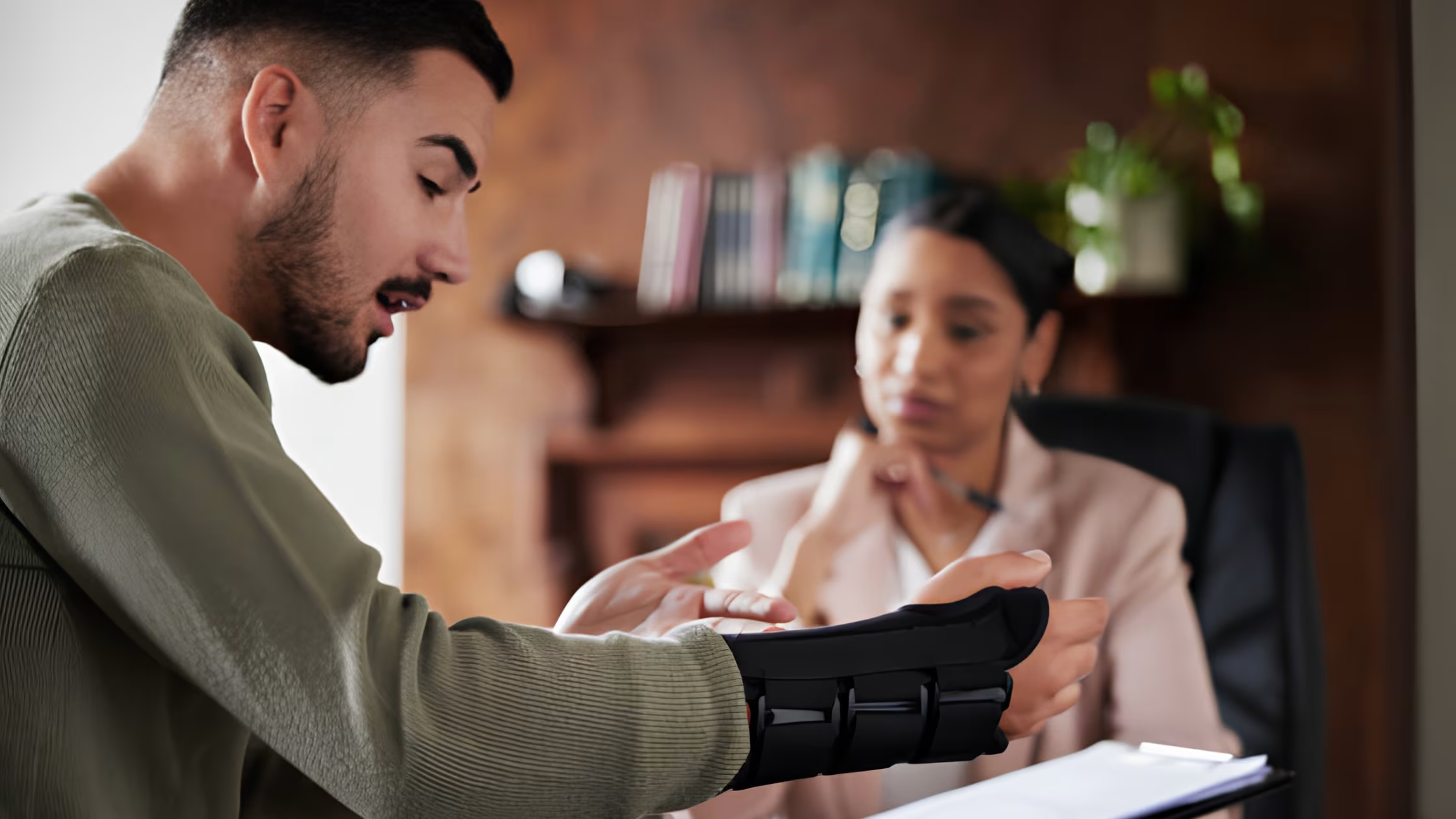


In today’s digital age, social media is a staple of daily life but for anyone involved in a personal injury case in California, even one careless post can jeopardize their pursuit of justice. Insurance adjusters and defense attorneys scour platforms like Instagram, Facebook, and TikTok for evidence that contradicts statements about injuries, pain levels, or day-to-day limitations. Understanding how your online footprint affects personal injury verdicts and settlements California could be the difference between a fair payout and a denied claim.
Why Social Media Matters in California Personal Injury Lawsuits
California courts routinely admit social media content as evidence. Posts, photos, videos, and comments are considered written documents under California Evidence Code, meaning they may serve as direct proof against your personal injury lawsuit California if properly authenticated.
How Social Media Can Impact Your Case
Case Study: Social Media Tanking a California Injury Claim
In one 2024 Los Angeles case, a plaintiff sought $2 million after a car accident, alleging debilitating neck and back pain. Defense discovered recent Instagram posts showing her hiking and attending a music festival. The court permitted these private posts into evidence, significantly reducing credibility regarding her injuries. The case settled for only $150,000 far below California averages for similar injuries due to clear inconsistencies.
Note: LADVA Law did not represent this case, but regularly assists clients facing similar legal challenges.
How Is Social Media Used as Evidence?
- Authentication: In California, evidence must be shown to be genuine courts accept social media posts if properly linked to the user, even if set to ‘private’.
- Discovery: Opposing parties can request access to social accounts through subpoenas or court orders.
- Admissions: Written statements (including apologies or contradictions) almost always qualify as admissions by a party opponent under state law.
California’s recent verdicts show insurance companies successfully using social media to dispute claims and reduce personal injury verdicts and settlements California.
California Law Points to Remember
- California Evidence Code 140, 210, and 1200: Defines admissible evidence and hearsay exceptions for social media statements.
- California Code of Civil Procedure 2017.010: Allows broad pre-trial discovery including social account data relevant to injury, damages, or liability.
Best Practices: Social Media and Your Claim
- Pause social posting until your personal injury case in California is resolved.
- Set all accounts to private, but recognize privacy settings do not guarantee court protection.
- Advise family and friends not to post about your injury, activities, or legal proceedings.
- Never discuss settlement offers, legal strategy, or emotional reactions publicly.
- Consult your attorney before deleting any content; removal may be seen as destruction of evidence.
Real Examples of Social Media’s Influence in California Law
Significant Verdicts:
- Los Angeles, 2017: $417M verdict reduced after opposing counsel cited social media activity that undermined long-term disability claims.
- Sacramento: $69M settlement involving catastrophic injury defense explored social media but found no contradictions, supporting injury validity.
Case Study Recap: In both local and national cases, social media has tipped the scales for and against plaintiffs, either corroborating or damaging claims.
Professional Attorney Perspective
As an experienced personal injury attorney, everyday digital actions can make or break your case. Injured clients deserve empathy and justice, but social media is often the blind spot that insurance companies exploit. LADVA Law’s approach blends rigorous case preparation with coaching on digital conduct ensuring your narrative and your truth are protected, online and offline.
Digital Footprint and Future Trends in Social Media Evidence
As social media platforms evolve, so do the strategies for using social media evidence in personal injury case in California litigation. Beyond traditional posts and photos, new digital footprints including live videos, stories that disappear, and metadata (time, location stamps) increasingly factor into case evaluations. Defense teams and insurers are investing in advanced forensic tools to uncover even deleted content and hidden activity, making vigilance more important than ever.
In California, courts are now addressing emergent legal questions about the admissibility and privacy implications of social media data, as highlighted in recent rulings and proposed laws that aim to balance fair discovery with personal privacy rights. This legal progression demands that plaintiffs consult experienced counsel, as mishandled social media content can severely diminish the value of personal injury verdicts and settlements California prides itself on achieving.
For example, recent cases have illustrated how subtle online behavior, like liking a post related to physical activity or location tagging inconsistent with injury claims, has led to substantial reductions in settlements or complete dismissal of claims.
Practical advice: Injured parties should not only pause social media use but also consider digital audits with their attorney to assess vulnerability points before trial or settlement discussions. Effective legal teams are proactive educating clients about digital risks, scrutinizing online evidence, and crafting tailored online conduct policies that protect the integrity of the personal injury lawsuit California clients file.
Staying informed of these future trends reinforces why selecting a firm adept at navigating evolving social media dynamics is crucial for the best possible outcome.
Why Choose LADVA Law for California Personal Injury Cases
Based in San Francisco, LADVA Law helps clients understand and navigate every nuance of their personal injury lawsuit California including pitfalls of online sharing. Our team provides:
- Proactive education on digital evidence risks
- Robust court strategies that protect your claim
- Thorough documentation to fend off defense tactics
- Compassionate, confidential guidance for your unique situation
Final Thoughts
You deserve to tell your story and seek justice don’t let a single social media post stand in your way. LADVA Law is dedicated to protecting your rights, guiding you at every step, and ensuring your journey to recovery is not harmed by what you share online. Contact us now for a confidential, caring consultation because your future is worth defending, both on and offline.